

Explore our Insights
The latest news, analysis and perspectives.
The Question Machines Cannot Answer: Who’s Held Accountable?
In 1979, IBM published a training manual containing a sentence that reads like prophecy: "A computer can never be held accountable, therefore a computer must never make a management decision." At the time, computers were beginning to transform finance, logistics, and enterprise operations, but they were still understood primarily as tools. Machines could process information, accelerate calculations, and assist human decision-making. Responsibility, however, remained firmly human.

Mythos and the Reinvention of Security Infrastructure
For three years, the artificial intelligence story has been told through a consumer lens. Which chatbot writes better? Which model codes faster? Which company is gaining users? Security entered the narrative occasionally, but usually in the narrow sense of content moderation and model guardrails, the work of keeping a product from embarrassing its maker. That framing shifted in April 2026, when Anthropic's Claude Mythos came into public view. Mythos is, by the available reporting, Anthropic's most advanced restricted-access model: built for high-level reasoning, software engineering, and cybersecurity work.
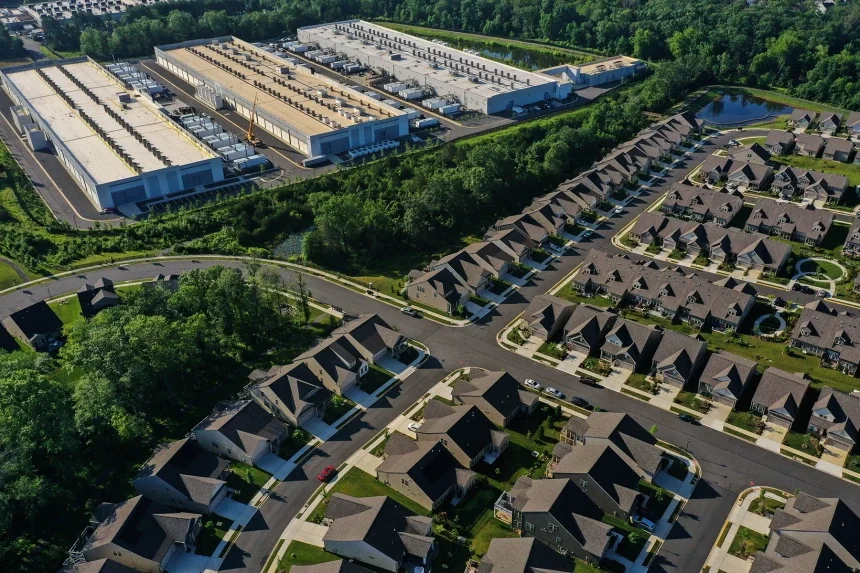
Not-So-Quiet: Why Data Center Noise Is Becoming a Community Issue
Data centers are often described as invisible infrastructure. They sit behind fences, windowless and anonymous, quietly powering the services that underpin modern life. Unlike power plants or factories, they rarely emit smoke or discharge waste into nearby rivers. For years, this perceived quietness helped data centers avoid the kind of scrutiny faced by other forms of industrial development. Yet for many communities living near these facilities, the idea that data centers are silent has proven misleading. As hyperscale campuses multiply across the United States, noise pollution has emerged as an under examined but increasingly consequential impact of digital infrastructure.
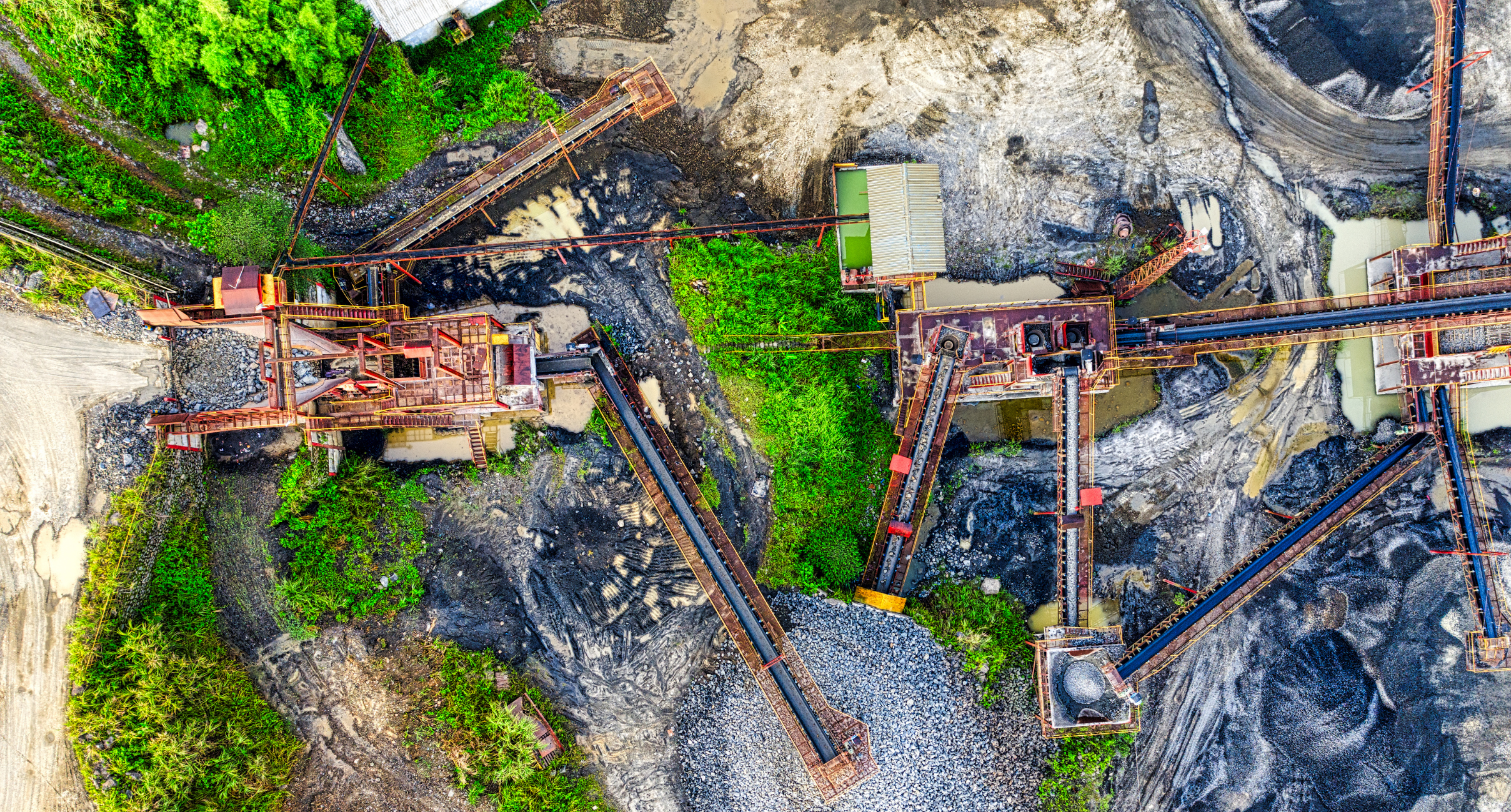
AI Runs on Electricity: Also on Cobalt, Copper, and Geopolitics
Artificial intelligence is often described in abstract terms: algorithms, models, and data. Yet behind every AI data center sits a vast physical infrastructure built from mined minerals, manufactured chips, and globally distributed supply chains. As AI data centers expand rapidly, sustainability discussions are shifting from electricity and water toward a deeper question: what material resources make this digital ecosystem possible, and how resilient and responsible are those supply chains?